
A WMSI Story, Part 2
In part one of this blog post I wrote about how I began my career as a STEM educator and saw WMSI evolve during my first year as an employee. In this installment, I’ll explore some of the organizational structures that took root as WMSI continued to grow and explore different projects.
Early Remote Work Systems
In the months after living in Franconia, New Hampshire my life fell into the rhythm of seasonal work and a rock climbing wanderlust that led me across the western U.S. Throughout this time I wondered about ways that I could continue to make STEM education a part of my story. The opportunity came when I was back in New England for a couple months at the end of 2017. WMSI was beginning to create our own web-based educational tools and I leapt at the chance to build an “Internet of Things” demo for a storefront window in Bethlehem.
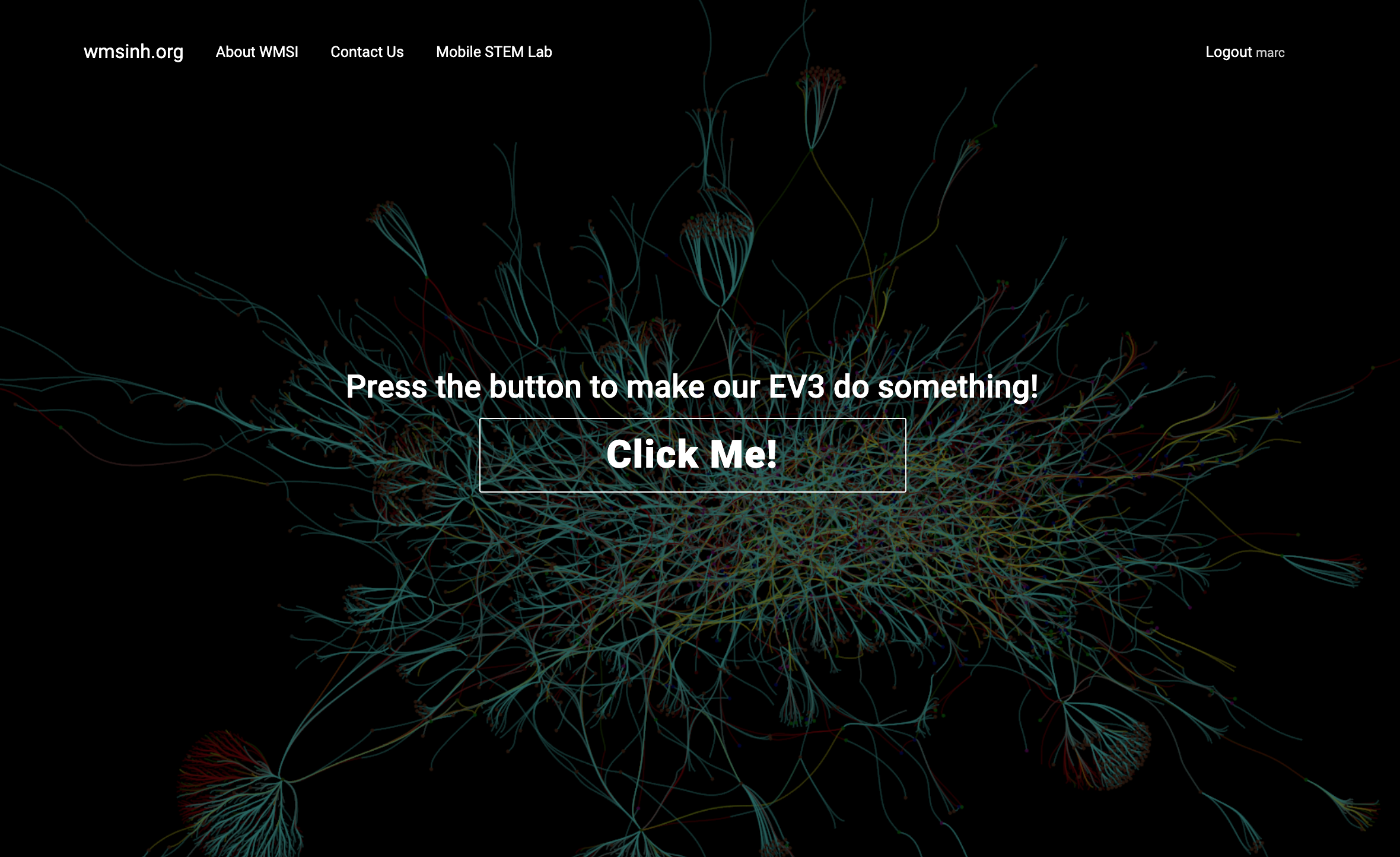
This development time enabled us to set up our own web server and host a site on it called wmsinh.org. I was thrilled by this opportunity to build a web application (something I’d always wanted to do) and the many branches for potential learning. Our web development efforts opened a door for me to keep working with WMSI as long as I had Internet access! From places as distant and diverse as Moab, Utah and El Chalten, Argentina I was able to log on and continue building our web app.
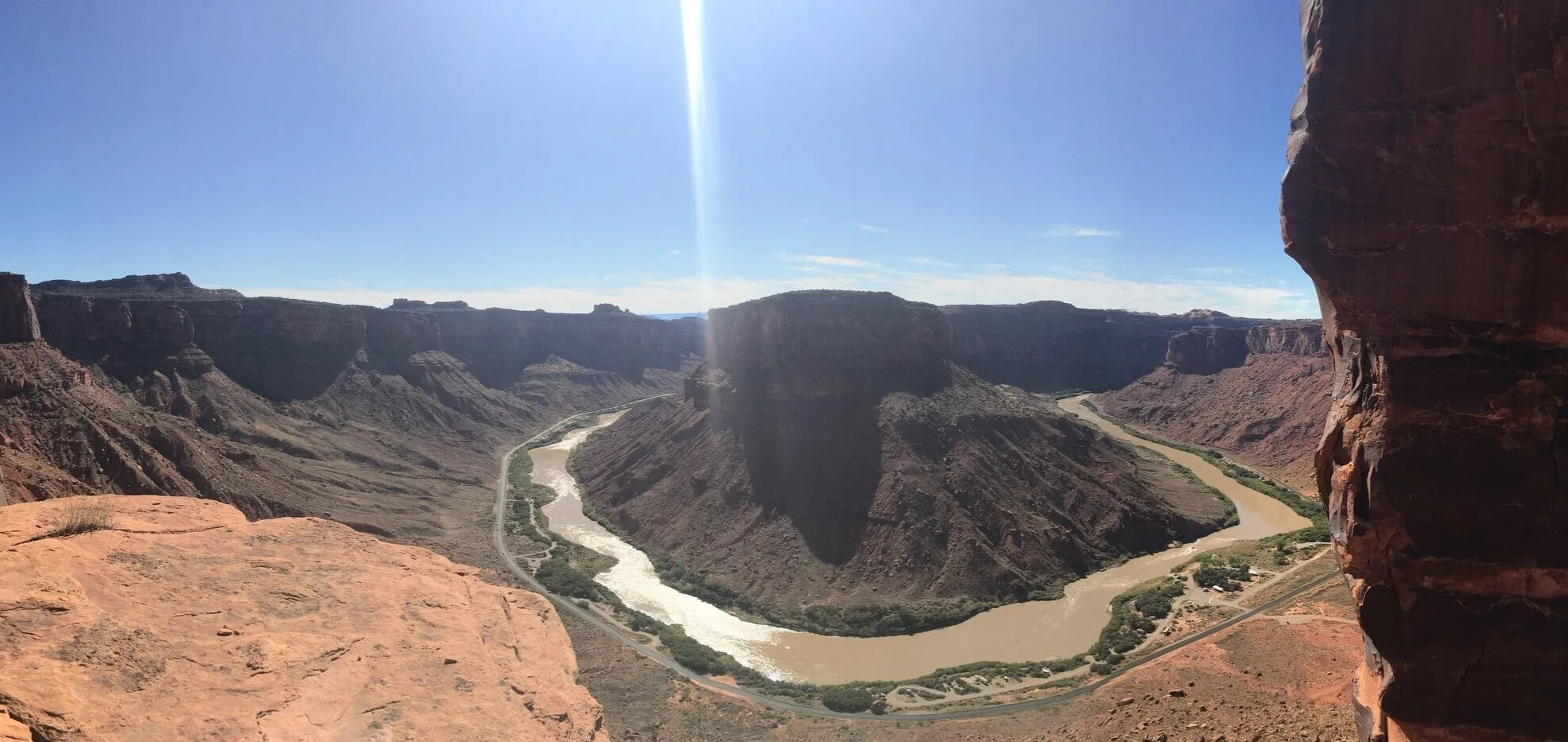

More importantly, these experiences laid the groundwork for remote work systems that became increasingly a part of WMSI’s infrastructure as time went on. Thanks to the flexibility of my coworkers I was able to continue contributing to our projects from thousands of miles away. These experiences helped me achieve a better work-life balance than I had ever thought possible, while continuing to hone my technical and educational skills.
Web App Exploration
Our first forays into hosting a web application felt more like adventurous bushwacking than a well-planned hike along a trail. We experimented with the idea of helping users create and plot their own “data stories” through wmsinh.org and a Scratch extension of our creation. This was my first time working with a completely open source project like Scratch, and I was both humbled and excited by the opportunity to collaborate, even tangentially, with the inventors of a worldwide educational platform. Though these development efforts never became a full-fledged part of our program offerings, they did help me acquire the skills to build other online tools for WMSI.
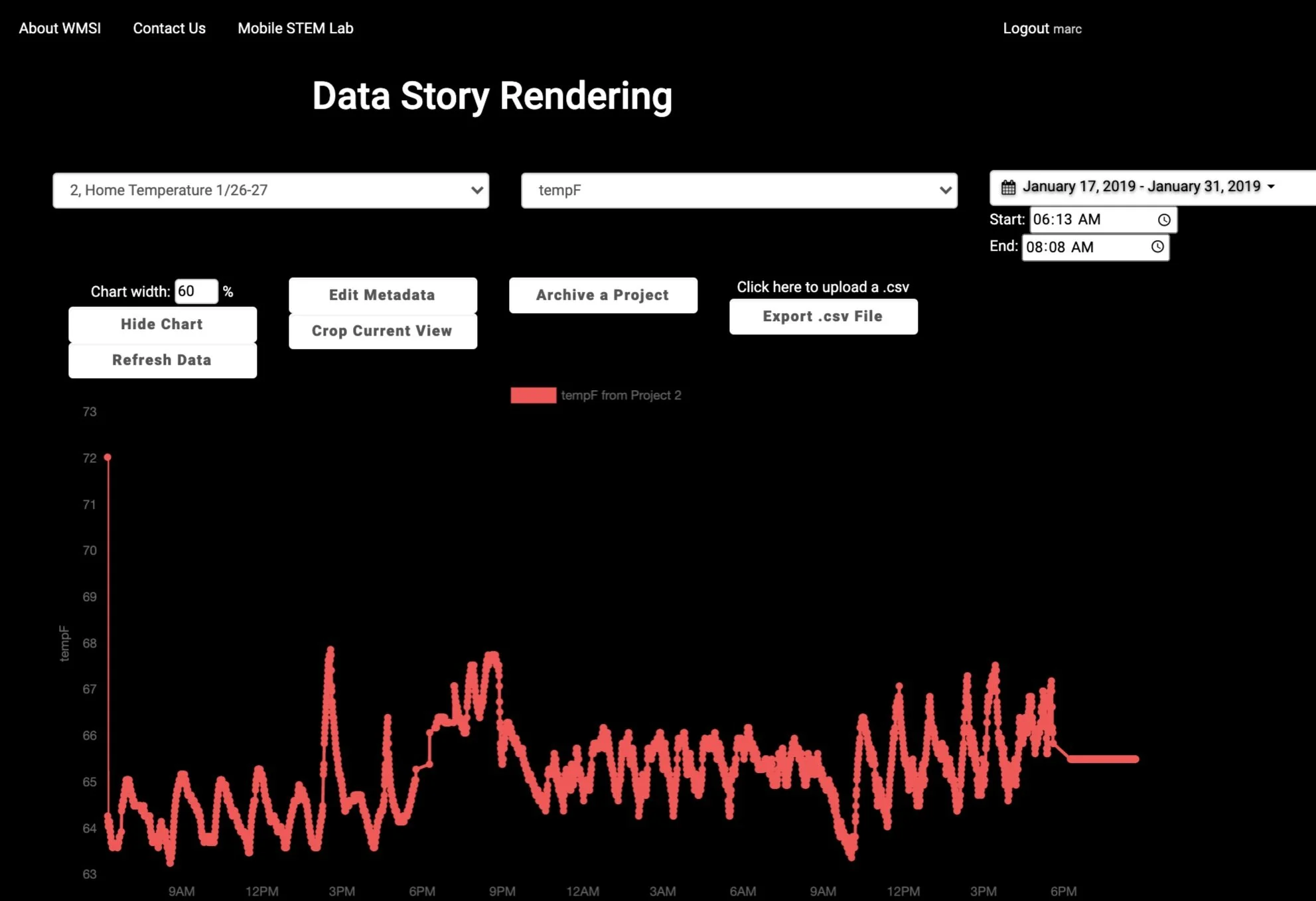
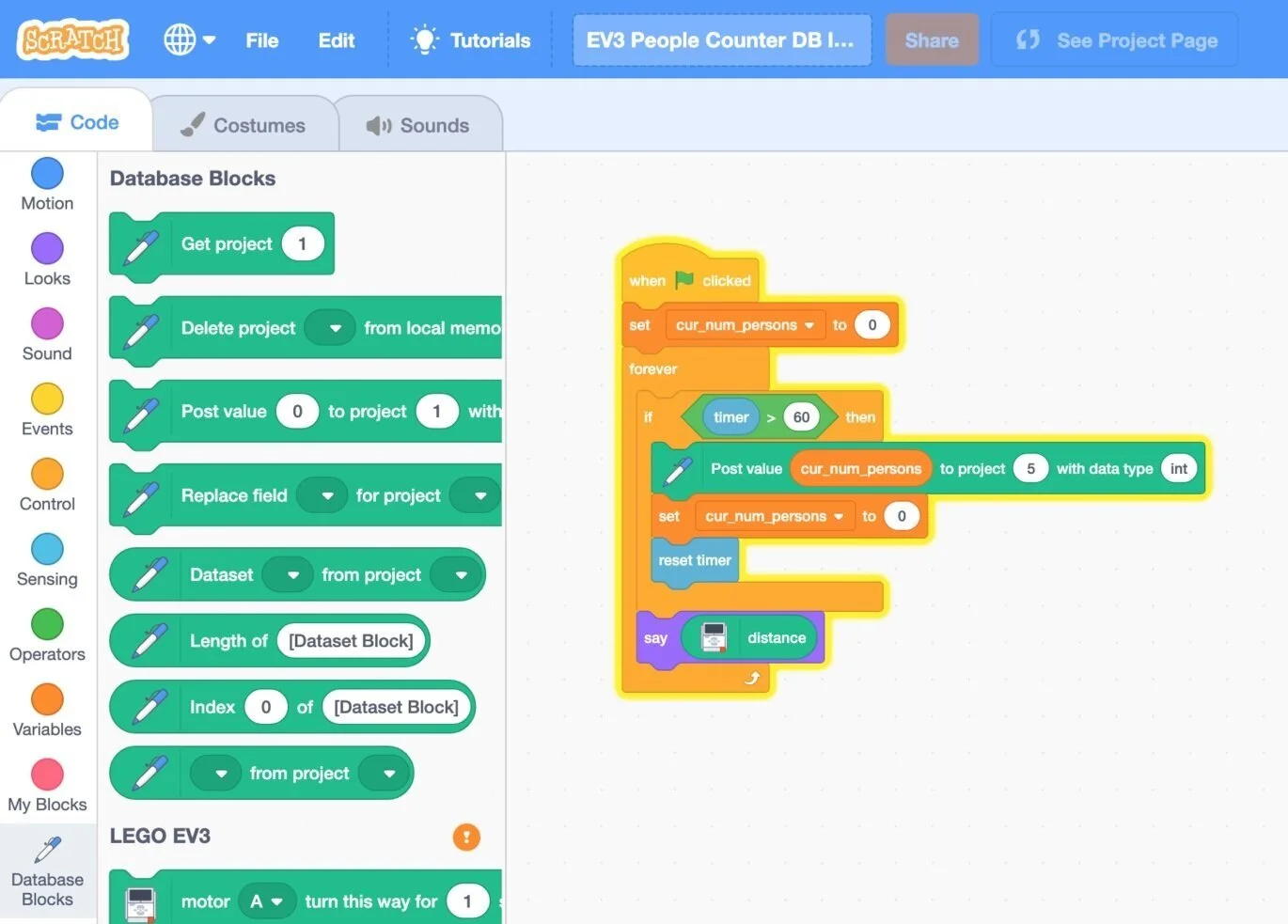
Our custom Scratch extension and data-tracking web page.
Sharing STEM Resources
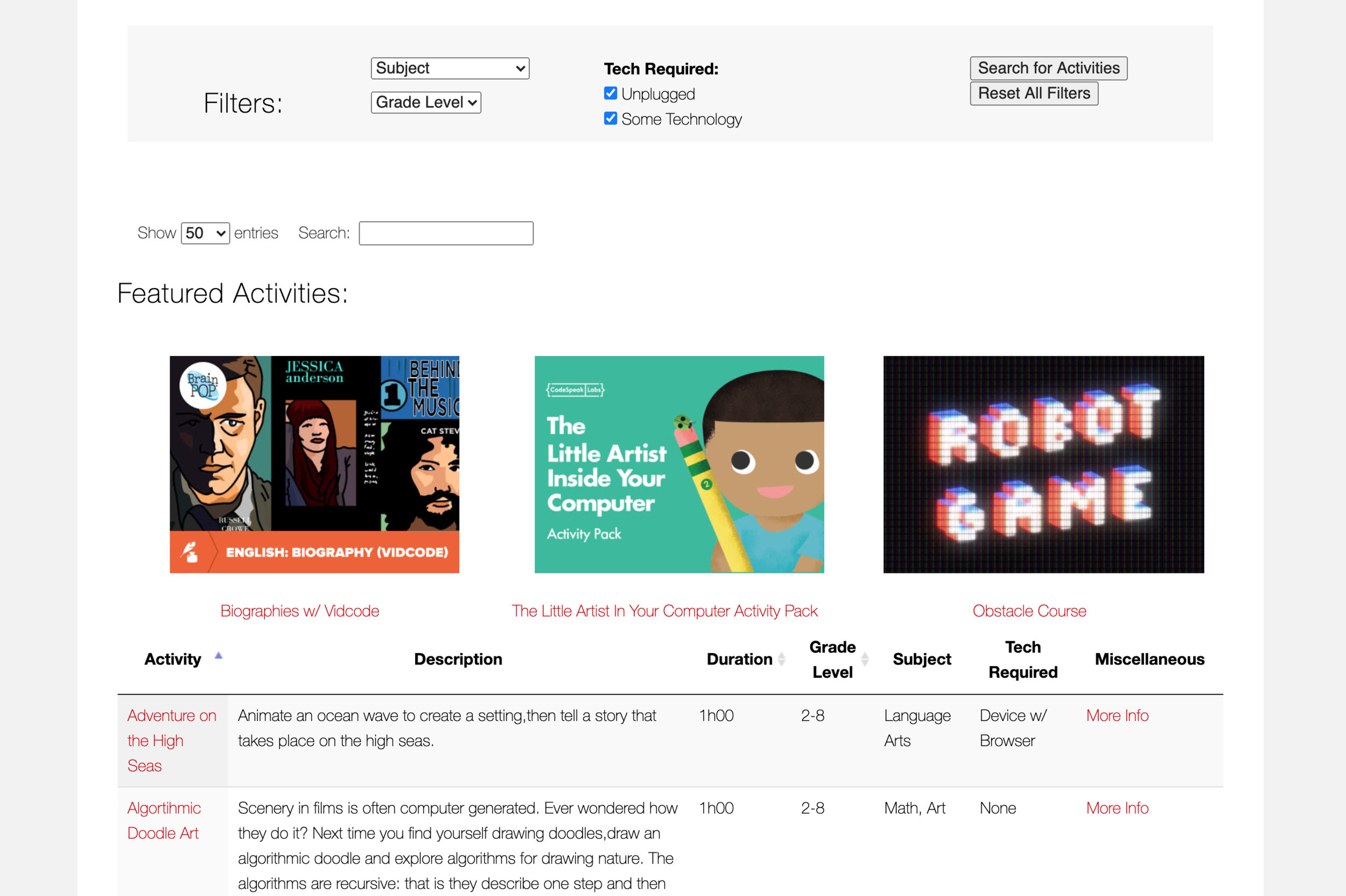
In August 2018, the New Hampshire state legislature voted to add computer science (CS) as a core K-12 subject. While this may have created some stress for school administrators, we were glad to be in a position to help schools meet these new standards. As part of this effort, we began creating a Computer Science Resource Site in early 2019. The goal was to create a gathering place for CS activities that teachers could easily sort through and find lessons for their classrooms. The final rendition of this site would go on to include activities from all STEM disciplines, including WMSI originals and lessons sourced from our favorite educational sites.
Working Through 2020
As much as my role as a remote developer/ educator felt like a fun side gig at times, this changed completely in spring of 2020. Suddenly working from home became the norm, and around the world people were struggling to answer the question of how to effectively teach through computers. At WMSI we launched the Learn Engineering Online (LEO) initiative, an umbrella project that grew to encompass everything from restructured professional development to remote summer camps. Consequently the scope of my work with WMSI also changed, and meeting with the rest of WMSI’s staff suddenly became more routine. Though I appreciated this increased connection with my coworkers, I was mostly saddened by the learning opportunities lost to so many students.
Writing about the pandemic is hard because it still feels so present. However, something that really stuck with me from this spring was how quickly the WMSI team adapted to continue offering programs to anyone who still wanted to create and solve problems. Through an immense effort by our Youth Programs staff, we soon began hosting Family Fun nights and Game-Building workshops, giving young STEM learners much-needed activities to do at home. Within a month of LEO starting we released a summer camp schedule with many of the same topics that would be in a typical summer. The innovative program structure even brought new learners to our programs, who could join from places as remote as New York and California.
My time supporting these programs hit a big transition stage at the end of summer 2020. After 4 years of seasonal and part-time work I had finally accepted a full-time position in the role that WMSI has taught me so well: being a STEM educator. Looking back, it’s abundantly clear that I would not have the skills I do today without the mentorship, support, and playful environment that I found at WMSI. I know that this doesn’t mark the end of my time with this organization, and I look forward to continuing to celebrate our shared passion for creative problem solving.